
Introduction
What is Inventory Management?
How Inventory Management Works in Fleet Operations?
Fleet inventory management connects directly to your daily operations. Every time a vehicle goes for service, parts get used. Every fuel fill-up gets logged. Every document uploaded stays accessible.
Here's how it typically flows. Your mechanic repairs a vehicle and logs which spare parts were used. The inventory management system automatically updates stock levels. When parts run low, you get an alert before you run out completely. No more emergency runs to the market because you didn't realize you were down to your last oil filter.
Vehicle records work the same way. Upload insurance papers, fitness certificates, permits, pollution certificates—everything goes into the inventory management system with expiry dates. The software sends reminders weeks before documents expire, giving you time to renew without penalties or operational disruptions.
Maintenance histories become searchable. Need to know when a particular vehicle last got a brake job? Check the system. Want to see fuel consumption patterns across your fleet? The data's right there. This visibility helps fleet owners make smarter decisions about repairs, replacements, and operational improvements.
Key Features of Fleet Inventory Management
Parts and Supplies Tracking
Document Management
Cost Tracking
Automated Alerts
Multi-Location Support
Mobile Access
Benefits of Inventory Management for Fleets
The practical advantages of implementing inventory management software show up immediately in operations and costs.
- Reduced Downtime happens because you always have necessary parts available. No waiting days for critical components while vehicles sit idle. Preventive maintenance happens on schedule because you planned for required parts in advance.
- Lower Costs emerge from multiple angles. Bulk ordering when you have visibility into consumption patterns. Eliminating duplicate purchases because you actually know what's in stock. Avoiding penalty fees for expired documents.
- Better Planning becomes possible with historical data. Seasonal patterns in part usage. Which vehicles need attention most frequently. Where your maintenance budget actually goes versus where you thought it went.
- Improved Compliance protects you from fines and operational shutdowns. Automated reminders ensure all vehicle documents stay current. Digital records make inspections smoother since everything's accessible instantly.
- Time Savings add up fast. No more manual counting. No more searching through filing cabinets. No more calling around to locate parts or documents. What used to take hours now takes minutes.
What Inventory Gets Managed?
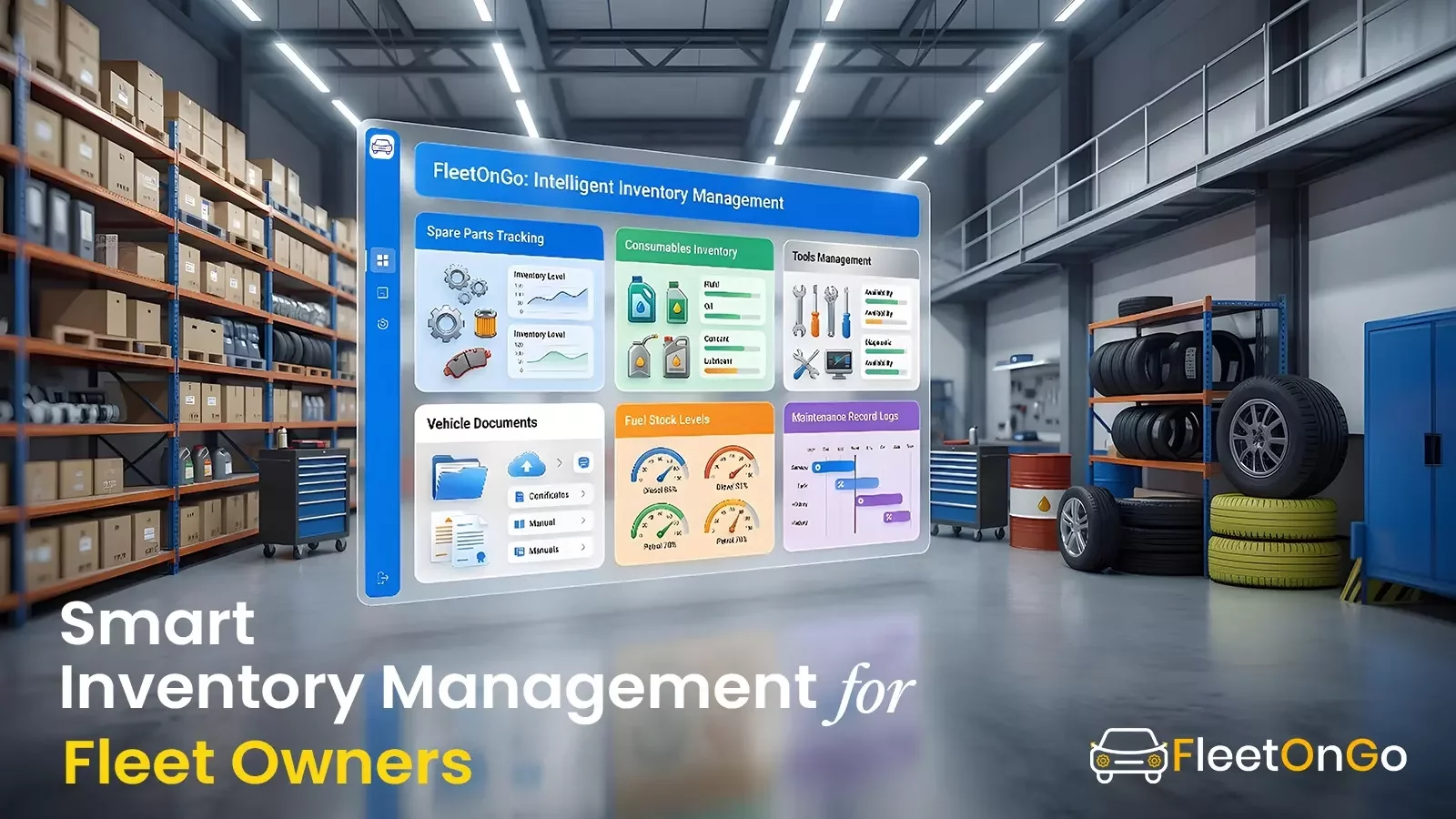
- Vehicle Spare Parts include engines components, transmission parts, brake systems, suspension elements, electrical components, filters, belts, and hoses. Basically anything that goes into keeping vehicles mechanically sound.
- Consumables cover items used regularly like engine oil, coolant, brake fluid, grease, cleaning supplies, and small hardware items like nuts, bolts, and fasteners.
- Tires and Batteries represent significant investments that need careful tracking. Monitor tread depth, rotation schedules, replacement dates, and warranty information.
- Tools and Equipment used by mechanics and drivers—diagnostic tools, repair equipment, safety gear, jacks, and specialized tools for different vehicle types.
- Vehicle Documents including registration papers, insurance policies, pollution certificates, fitness certificates, permits, and route authorizations.
- Driver Documents covering licenses, permits, medical certificates, training records, and any certifications required for specific vehicle types.
- Fuel Records tracking consumption, costs, transactions, vendor details, and vehicle-wise efficiency metrics.
How Inventory Management Helps Fleet Owners?
Why Choose FleetOnGo for Inventory Management?
FleetOnGo isn't just inventory management but an end-to-end fleet management software wherein the tracking of inventory works in coherence with all other operations.
Our platform intuitively understands that parts inventory links to maintenance schedules, fuel tracking links to vehicle performance, and document management links to compliance and operational permissions. Everything integrates rather than functions in isolation from everything else.
We have designed FleetOnGo with an understanding of local challenges faced by Indian fleet owners, be it multi-state permits, varied compliance requirements, or the need for affordable yet powerful solutions. Be it a small transport business or a large fleet, our scalable platform grows with your needs.
The mobile app means your team can access critical information anywhere. Mechanics can log part usage from the workshop, while managers can approve purchases while visiting clients. Drivers can report issues immediately when they happen.
Automated maintenance scheduling is directly connected with inventory to tell you which parts you'll need and even warns you if the stock becomes low before the due date of scheduled services. Fuel monitoring helps you in pinpointing vehicles that are consuming more fuel than they should, thus warranting an investigation before costs spiral.
Best of all? We offer predictive maintenance alerts that help you address issues before expensive breakdowns occur. Along with inventory tracking, this means you can stock the right parts before you need them urgently.
Conclusion
Managing fleet inventory doesn't have to be overwhelming. What feels like endless complexity becomes organized, manageable, and even strategic with the right inventory management system in place.
FleetOnGo brings together inventory tracking, maintenance scheduling, fuel monitoring, document management, and compliance alerts in one integrated platform. No more scattered spreadsheets or missed renewals. Just straightforward, effective fleet management that saves time and money.
Ready to experience the difference? Start your free 14-day trial today, no credit card required. See for yourself how proper inventory management transforms your fleet operations from reactive chaos into proactive control.
Visit FleetOnGo to understand how we help fleet owners across India operate more efficiently, cut costs, and create more profitable businesses.
